Oral Appliance Therapy for Snoring and Sleep Apnea
Snoring is a very common problem in the general population. According to research, approximately 45% of adults snore occasionally, while around 25% snore regularly. Snoring is particularly common in men and tends to increase with age.
Although there are many causes of snoring, some of the most common include weight gain, nasal congestion, sleeping in an incorrect position, the development of a double chin, a narrow airway, and age-related muscle relaxation.
People often underestimate snoring; however, snoring is also one of the most important symptoms of obstructive sleep apnea. Sleep apnea, which can potentially become life-threatening when breathing repeatedly stops during sleep, is an important condition that requires appropriate evaluation and treatment.
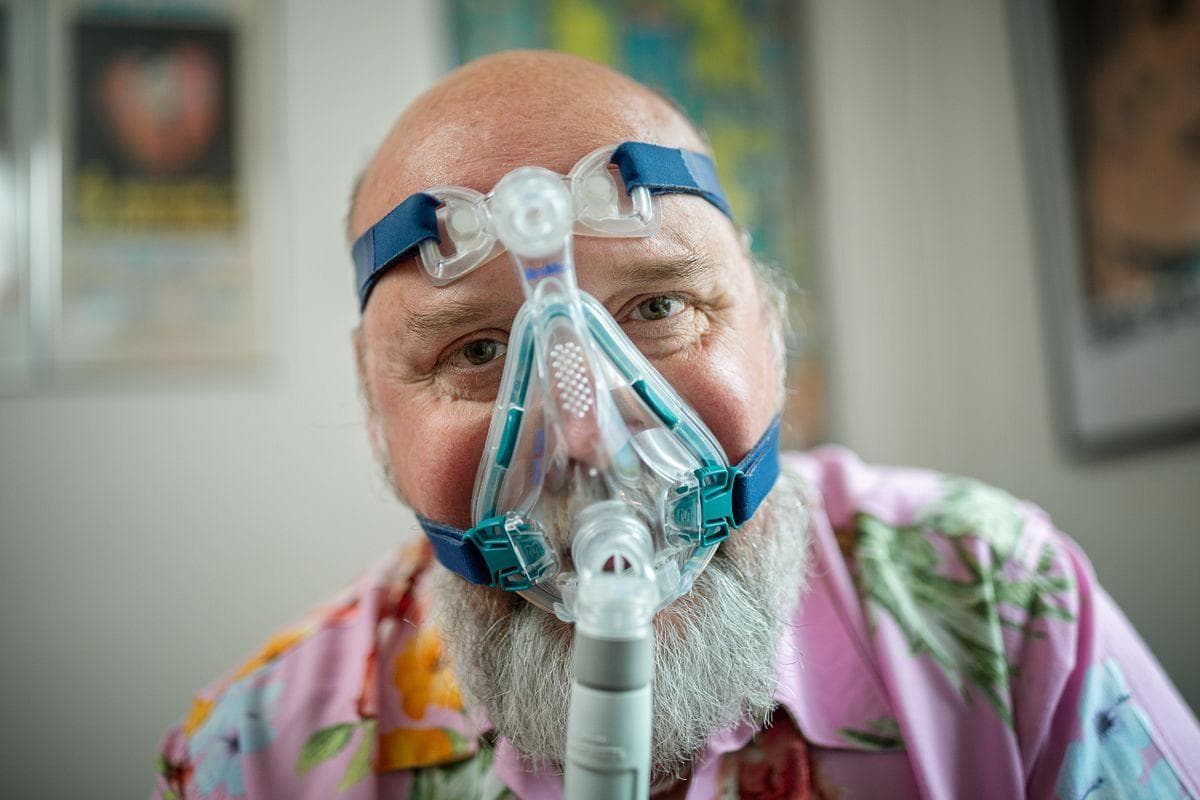
For individuals with moderate to severe obstructive sleep apnea, CPAP therapy is generally considered the primary treatment. However, because some patients find CPAP uncomfortable or difficult to use consistently, Mandibular Advancement Device (MAD) may be recommended for appropriate patients, particularly those who are unable to tolerate CPAP.
This treatment, commonly referred to as a snoring appliance or oral appliance, works by preventing the lower jaw and tongue from moving backwards during sleep. By helping to maintain a more open upper airway, it can facilitate breathing and contribute to a more comfortable and restful sleep.
As a member of the EADSM (European Academy of Dental Sleep Medicine), I follow the current scientific evidence and contemporary clinical approaches regarding the use of oral appliances in the management of snoring and obstructive sleep apnea.
Dentist Sacit YILDIZ